Homemade Rabbit Repellent
Posted by admin on
February 11, 2010
While rabbits can be fun pets, having too many of them can destroy your garden. Here are some recipes for homemade rabbit repellents you may experiment with.
Hair and Plants
One of the easiest methods is to gather different types of animal hair. You can use cat, dog and even your own hair. Put these in sealed plastic near plants and flowers. Once rabbits smell it, they’ll go elsewhere.
Plants can also be effective deterrents. Onions, garlic and lavender will keep these animals away. Catnip is also known to drive rabbits away. However, catnip attracts cats, so you need to keep that in mind.
Marigold is also effective. Some gardeners like to spray some bacon grease around the garden because it discourages rabbits from coming in.
Droppings and Glass Bottles
You can also use ferret droppings as homemade rabbit repellents. If you don’t have a ferret, go to a pet store. Ask for some of the droppings. Mix these in water and spread around the garden edges.
A less smelly solution is to pour water in several 1 gallon glass bottles. Sunlight will reflect off the glass and scare the rabbits. Be sure to put the glass bottles where they’ll get as much sunlight as possible.
A Repellent Spray
Prepare 3 tablespoons of Tabasco sauce, dish soap and cayenne pepper. Mix these with a gallon of water. Pour in a spray bottle and shake well. Spray it on plants and the edge of the garden.
Trapping the Rabbits
Aside from homemade rabbit repellents, you can also make traps. You’ll need the following.
Required Tools and Materials
Screw hook
Stick
1 piece of plywood
String
Carrot
Wooden box
Instructions
Fasten the screw hook in the middle part of the box. This will function as the pulley. Set the plywood where the rabbits usually appear. Position the box with the stick so the animal can go below it.
Fasten the string on the carrot. Put the string through the hook all the way to the stick. Pull the string until the carrot gets suspended in midair. Secure it to the stick.
Now you just have to hide. When you hear a thudding sound, it means the rabbit was caught. Go over and release the rabbit. It will remember what happened and go away. This is one of the most efficient homemade rabbit repellents you can make and it also doesn’t harm the animal.
Garlic and Pepper Mix
Crush several pieces of garlic and add as many hot peppers as possible. The hotter the peppers are, the better. Put these ingredients in water (1 quart). Let it soak there for 72 hours. Strain it and pour in a spray bottle. Squeeze in a few drops of liquid dishwashing soap. Spray it on plants.
Human urine also works. You can sprinkle some of the urine in the garden. You can also keep dogs in the yard to scare rabbits off. You can also get some chicken wire fence.
As you can see, there are plenty of homemade rabbit repellents you can experiment with. Some may work better than others, so you should try as many as possible to see which works.
Homemade Soap
Posted by admin on
February 9, 2010

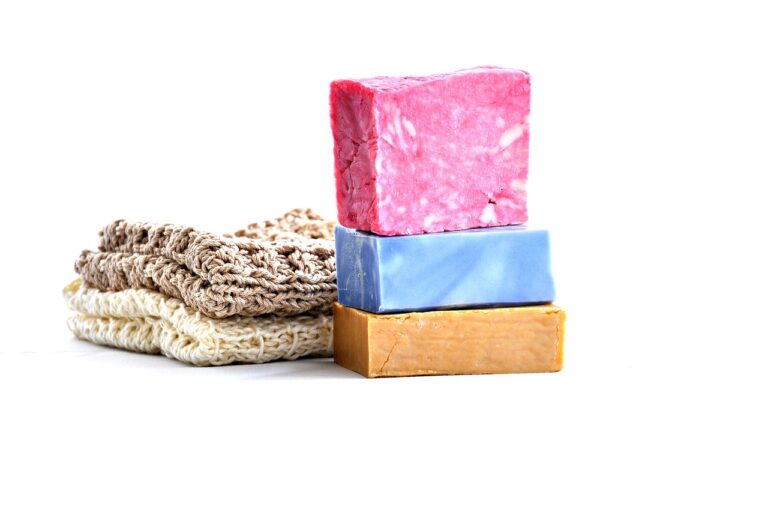
A commercial product that can be used for cleaning and washing, soap comes in liquids and solid bars. The product usually contains potassium salts, sodium and glycerol. Soaps that are used to wash the body commonly contain fragrances. To save money, it is best that you learn how to make homemade soap. Below are the recipes that you can use when making the product in your own home.
Gel or Liquid Soap
To make this specific kind of soap, you should have two cups of grated bar soap or soap flakes, ½ gallon of water and two tablespoons glycerin. Combine all the ingredients in a big pot. Place the pot on cooking stove and set to low heat. Stir the ingredients for a minute. Wait for the flakes to melt. Transfer the mixture in a jar an
d cover. If you want to lessen the thickness of the product, you can add another ½ gallon of water.
Almond and Vanilla Soap
For this product, you need 1/3 cup whole almonds, ¼ cup distilled water, 14 ounces bar Castile soap, a tablespoon of almond oil as well as 1/8 teaspoon vanilla fragrance oil. Place the almonds in a food processor and grind. If you do not have a food processor, you can put the almonds in a coffee grinder. Fill a saucepan with water. Boil and reduce the heat setting to low. Remove the saucepan from heat. Add the vanilla fragrance oil, almond oil and almond powder. Stir. Use a spoon to transfer the mixture to molds. Set aside for six hours. Remove the finish products from the molders and store in cool and dry place.
Olive and Coconut Soap
To make the product, you will need eight ounces olive oil, eight ounces coconut oil, eight ounces rendered tallow, 3.49 ounces sodium hydroxide and nine ounces of water. Before starting the procedure, it is best that you practice safety precautions like wearing neoprene gloves and safety goggles. Mix the water and sodium hydroxide in a small bowl. Wait for the mixture to cool. Mix the rendered tallow, coconut oil and olive oil in another bowl. Place in a small saucepan and heat. Add the sodium hydroxide solution. Continue stirring for 15 minutes. Cover and simmer for five minutes. Stir for another 15 minutes. Transfer the mixture to clean containers or to molders. Wait for six hours. Remove the finish products from the molders gently. Always store in a dry and cool place.
Homemade Laundry Soap
Posted by admin on
February 7, 2010

Also known as washing powder, laundry soap is a kind of detergent used for washing dirty clothes. Some of the substances, which consist the soap are anionic surfactants, ionic surfactants, phosphors and perfume. The soap is a very useful cleaning agent but there are people who agree that there are brands of washing powder that contain harmful substances. To avoid using products that have harmful substances, it is advantageous to learn the simple and basic steps in making homemade laundry soap.
The Easy-to-Make Laundry Detergent
The materials that you will need to make the detergent are a quart of boiling water, two cups of grated bar soap, two cups Borax and two cups of washing soda. The initial step is to melt the grated soap in the boiling water. Transfer the soap in a large container and add the Borax and washing soda. Stir until the other ingredients were fully dissolved. Pour two gallons of water in the container and stir.
Homemade Special Laundry Detergent
To make the product, you need a cup of white vinegar, a cup of baking soda, a cup of washing soda and ¼ cup liquid castile soap. Combine all the ingredients in a large container. Stir and transfer in several bottles. Cover the bottles and seal. Whenever you use the soap, you will find gels in the bottles. Break the gel by stirring the soap. Always store the detergent in a cool and dry place.
Cheap Yet Effective Homemade Laundry Powder
For this laundry powder, you should have 1/3 bar Fels Naptha soap, ½ cup washing soda, ½ cup borax powder and two gallons powder. Get the Naptha soap and grate it. Place the grated soap in a pan. Pour six cups of water and stir. Place the pan over medium fire. Continue stirring until the soap melts. Put the washing soda in the pan. Stir in the borax. Remove the mixture from fire and set aside for three minutes. Transfer in a big pail. Pour four cups boiling water and a gallon of lukewarm water. Wait for the mixture to cool down. Cover the pail and let it stay for a day. You can use the detergent soap if the mixture becomes gel.
Additional Tips
Avoid using bar soaps with heavy fragrance since these usually contain harmful substances that damage the clothes. It is also important to prepare containers with covers or bottles with covers since the recipes usually make two gallons of detergent soap.
Homemade Rain Barrel
Posted by admin on
February 5, 2010

With a homemade rain barrel, you can store rain and use it in your home and garden. You get to save money over the long term. Here are the things you’ll need to make one.
Required Tools and Materials
2 brass faucets
Epoxy
Food grade plastic barrel (35 gallons)
Saber saw
Hoses
Silicon caulking
Drill
Some lumber
Dish soap
Chlorine bleach
Vinegar
Water
Screen
Instructions
Use the chlorine bleach to clean the barrel. You can also clean it with vinegar or water. Next, make a 6 inch hole in the barrel’s cover lid. Use the driller and saw for this task. Secure the window screen onto this hole with the glue. Make sure the opening is fully covered.
Continue making this homemade rain barrel by making a ¾ inch hole 4 inches around the bottom. Move the barrel a quarter and make another hole. This should be 5/8 inches wide and 4 inches at the top.
Set the faucets in these holes. Put the silicon caulking at the foundation of each tap.
Setting up the Structure
Get some lumber and make a box shape. Place this near the downspout of the rain gutter. Take off the elbow from the downspout. Use the saw to cut the downspout.
Make it short enough so it culminates at the top of the barrel. Put the elbow back in place. This helps the homemade rain barrel work because the water now goes into the hole.
Connecting the Hose
Get the hose and link it to the barrel. Use this to manage the water flow. Connect another hose to the faucet. Set this up 3 feet away as this will be used for the overflow.
Tips
The plastic barrel can be purchased in recycling centers. These can also be bought in food processing centers. You might also find some in restaurant and eateries. When cleaning the barrel you can also use sterilizing powder with water. These are available at stores.
When the homemade rain barrel is full, you can take the water and use them. Rainwater can be used for watering plants. These also work for indoor bred greens. To get more water, you can link up several barrels. Get a hose and connect them at the overflow openings.
Position affects the pressure of the water in the barrel. The higher it is, the more pressure is created. This can make it useful for irrigation.
Warnings
Rainwater is useful for gardening, but you shouldn’t drink it. Neither should it be used when cooking. Make sure the barrel lid is closed so small animals don’t get in. Regularly check the barrel for any holes or leaks. Make sure the general area around the barrel is clean.
Perform regular inspections especially after heavy rain. If there are leaks, repair or replace the barrels. If using multiple barrels, check the hose connections and make sure they’re all in place.
A homemade rain barrel is one of the most useful things you can have around the house. It allows you to use rainwater, cutting down on water expenses in the process.
Homemade Rust Remover
Posted by admin on
February 5, 2010

Making homemade rust removers will require only a few ingredients. As you’ll see, eradicating rust and corrosion need not cost a lot of money.
Using White Vinegar
This substance is commonly used to get rid of pet urine. However it also works here. Get a small plate and pour some white vinegar. Do not add water. Get a piece of clean cloth and dampen it with the vinegar.
Wipe the rusty object with the cloth. If there is plenty of rust, pour vinegar in a bowl and immerse the object in it. Leave it there for half an hour.
Take the object out. This homemade rust remover can be applied repeatedly if there’s still some corrosion. When the rust is gone, rinse the object with water.
Dry it with a towel. When dabbing an object with the cloth, leave the vinegar there for at least 20 minutes. Repeat the process if needed and then wash it with water. Dry it completely.
Using Borax
For this cleaner you need to combine lemon juice and borax. They need to be of equal amounts. Dip a cloth in the solution and apply to the rusted object. You can also use a bottle spray. Just pour the homemade rust remover into the bottle and seal it. You can then spray the object’s rusty parts.
Of course you can also immerse the object just like in the other cleaning solution. Make sure the object is in the solution for 30 minutes. When the rust has disappeared, wash with water.
Note: the object may appear black after being dabbed or immersed in vinegar / lemon. This is only temporary; rinsing with water will bring back its true color and shades.
Other Methods
Gather cream of tartar, baking soda and hydrogen peroxide. First add a teaspoon of tartar to the borax (1/4 cup of it will be fine). Next put some hydrogen peroxide in it. Add enough so the mixture turns into a thick substance.
Now you can put this homemade rust remover onto the affected spot. Dab it on the area and leave it there for 30 minutes. Afterwards, use a sponge to wipe the surface.
That should get rid of the stain. If the stain remains, repeat the process. Wash the object with clean water when the rust is gone.
Tips and Warnings
Make sure the bottles you use for mixing vinegar or lemon have never been used with other chemicals. Even if it has been emptied, there may be small traces left. These might cause chemical reactions in the vinegar and affect the cleaning process.
Keep the solution away from children. Do not place the bottle near pets. Wash the cloth you used for cleaning immediately.
You can substitute borax with baking soda and other similar solutions. What you want is a component that will provide grit without being too harsh.
Rust can affect a host of furniture and objects. Fortunately there are cleansers you can use to eliminate it. With these simple homemade rust removers, keeping those antiques shiny will be easy.