Homemade Solar Pool Heater
Posted by admin on
August 30, 2010

There is actually a multitude of ways to make your very own homemade solar pool heater to use at home. Sure, it may be easier for you to just dig in your pockets and shell out the appropriate amount of money to buy your own solar heater for your pool. But why pay more when you can simply make your own homemade solar pool heater with a lesser amount of budget for the project?
How are you going to make your homemade solar pool heater?
Here are some of the basic things you’ll need to know to start creating your homemade solar pool heater and start reaping its benefits:
Of course, the first thing you may need to concern yourself with is to gather the materials for your home project. What do you need? A black poly pipe (or, commonly known as, polyethylene pipe), a back board or shed roof, and a pump.
Finding these things may not be a big problem. In fact, you can easily and quickly purchase these things from a garden supply shop or a hardware store near your area. You may also be pleased to find out that most of the materials are quite inexpensive and easy to use.
There are three simple ways to assemble these things to make your homemade solar pool heater.
One is to mount the poly pipe on the back board. Don’t forget to connect a pump to this. Another way is to place coils of the poly pipe on a shed roof. Then, connect a pump. The third way of using this is to mount the pipe arrays on your roof.
However, the third option may be too hard for a beginner to follow since you may have to consider the water flow that will have to pass through the coils. This manner of installation may need a professional to assist you.
For safety reasons, it may be best to stick to the two first options in making your own homemade solar pool heater.
Better bear in mind that the coils of the poly pipe should not have any kinks or leakage when you arrange them on the shed roof or the back board. If it has, this homemade solar pool heater won’t work well as you would expect. So check for holes in the pipe and replace your poly pipe if needed.
Making your homemade solar pool heater does not need the most expensive materials and a complicated manner to follow. Anyone can make their own pool heater as long as the desire and interest in following basic steps is there.
tags: homemade, how to, solar pool heater
No Comments
Homemade Wifi Antenna
Posted by admin on
August 28, 2010
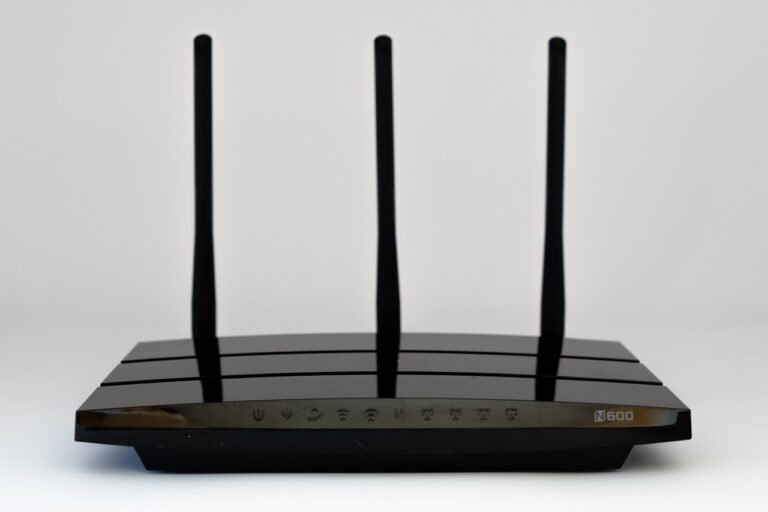
You don’t need to hire an engineer to setup a homemade wifi antenna. With the right equipment, it will only take about an hour at most to finish the job.
Required Tools and Materials
Duct tape
Bowl (must be made of aluminum)
Soldering tools
Wifi antenna
Drill (optional)
Wifi antenna node
Instructions
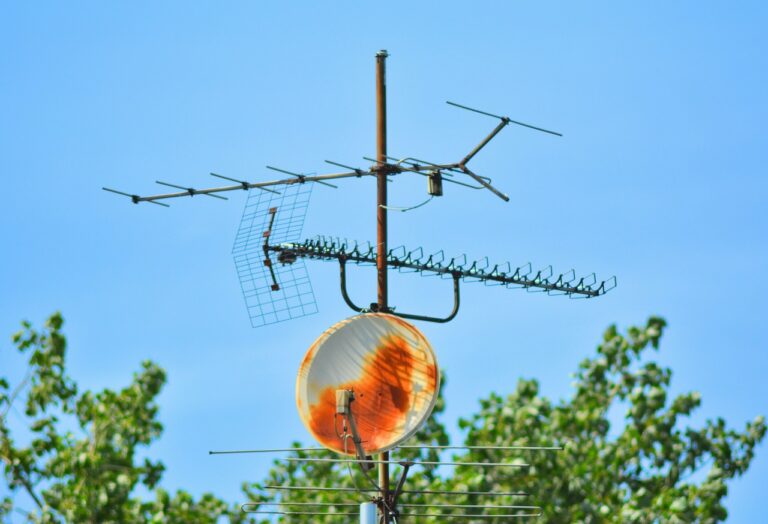
First decide on what antenna to use. The directional ones are good for great distances. However their deflection angles have limitations. The width cannot go beyond 30 degrees. What this means is that it’s good for long distance but poor for local transmission. If you want local transmission, use an omnidirectional antenna.
After you have decided what antenna to use, take off the handle from the pan’s cover. Use the hole to pass the homemade wifi antenna’s cable. If there isn’t, make one in the middle. Use a drill to make the hole.
Set the wifi node in the middle of the lid. This setup will force the emanating wave to focus in one direction. There are also other reflectors you can use. Metallic pipes or cans will do just fine. Usually, the parabolic dish has a wider angle so it’s better to use.
Testing the Receiver
Set the wifi dish at the receiver. Give the signal a try. Under certain conditions, the signal can go as far as ten miles. Using a reflector will generate a stronger signal for the homemade wifi antenna.
Tips
The bowl you use will make a big difference. The bigger and shinier it is, the stronger the signal will be. Depending on the setup, you’ll need a wifi adapter. You’ll need a USB chord for this setup to work with your desktop PC.
Put some duct tape on the wifi adapter so it remains steady in the bowl. Use the duct tape and stick the bowl where the signal is strongest.
If you’ll be using long distance and local access, have both antenna types ready. You can’t use them at the same time. But creating both of them is a good idea so you can switch easily
between the two.
Warnings
Consult the manual when setting up the antenna. In most cases the wifi’s standard antenna is called the node. Don’t be confused by these terms. Be patient when setting up your homemade wifi antenna. It’s normal for the signal to fluctuate at times.
Look for strategic places to set the bowl up. Some of the most reliable wifi sources are near libraries, colleges and business offices.
If you’re going to put the bowl near the window, you can put a curtain over it. This should render the object inconspicuous. Make sure the bowl is securely fastened to the spot so it doesn’t fall off. Don’t stand in front of the bowl when you’re utilizing it.
Be careful when using extension chords. Take all necessary precautions to protect yourself. Do not touch the extension chords if your hands are wet.
Making your homemade wifi antenna only takes a few minutes. The stuff needed is so very basic. If you find your Internet connection a little weak, try this out. It might give your Web surfing a boost.
tags: diy, homemade, wifi antenna, wireless
No Comments
Homemade Cleaners
Posted by admin on
August 27, 2010

Benefits of Homemade Cleaners
Cleaning the home nowadays have been stereotyped into having a barrage house cleaning products all with their “special formulas” to bring out the best cleansing your house could ever achieve. Much of this mentality has been brought about by the magic of today’s advertising. Other than the strange type of dependence on these products we develop by habit, there are other effects these commercial cleansers have on us.
Thousands of accidents occur each year involving the use of bleaches. Only a few of the millions of chemicals used in these products have been tested for potentially causing cancer. Hundreds of children in the United States alone have suffered from accidental poisoning due to these chemicals. Another effect is that you get to spend a lot of money on these commercial cleansers. However, with grandmother tested homemade cleaners you avoid all those and save a lot of money each year.
Making Your Own Non-Toxic Home Cleaners
Since the safety of the people in your home is top priority, you might want to invest on homemade cleaners that are non-toxic. These grandmother-tested cleansers can easily be made into a home cleaning kit. You also get a feeling of gratification out of your savings and the safety of your family. Making your non-toxic homemade cleaners won’t take much time to assemble. All you need is to grab the following items:
Two Glass Jars
Six Spray Bottles
Tea Tree Oil
Liquid Soap/Detergent
White Vinegar (the distilled variety)
Washing Soda
Baking Soda
Scrubber: Place half a cup of baking soda in a bowl and add liquid detergent to make a frosting-like mixture. Scoop up as much of this mixture to clean bathtubs and other like surfaces and it also rinses easily. To store this mixture, just add a teaspoon of vegetable glycerin and put the mixture in a covered glass jar.
Spray Cleaner: Here’s how you make a homemade cleaner that you can spray onto surfaces. Mix half a teaspoon of liquid detergent, three tablespoons of vinegar, and two cups of water in a spray bottle and shake it. Spray it on surfaces like windows and other places where you have wax residues.
Safety Tips
Making homemade cleaners will reduce risks at home not remove them completely. To make everything safer, carefully label all the mixtures you make especially if you are going to store them. You may want to list the ingredients you used to make the said mixture in case you want to make more or whenever you run out of it. Mix only the ingredients you know is safe. Never mix harsh cleansers together. This also applies if you still have store bought commercial cleansers at home. Never mix them with the homemade ones you created.
tags: homemade cleaners, non-toxic, safety
No Comments
Homemade Mosquito Repellent
Posted by admin on
August 21, 2010
There are lots of homemade mosquito repellents you can try. Here are some recipes that you can make to keep the mosquitoes at bay.
The Basic Ingredients
Plate
Water
Dishwashing soap
Instructions
Put some water on a plate. Squeeze a couple of drops of dishwashing soap. Use a lemon flavor whenever possible. Just keep this near you. It will repel or kill mosquitoes that come by. This can be used in homes or when you go camping.
Using Catnip and Alcohol
For this repellent, you should combine catnip oil with grain alcohol. Put this mixture in a spraying bottle. Just spray a little amount in the air to keep the insects away.
Other Homemade Mosquito Repellents
There are several other recipes you can make. Mix equal amounts of Listerine with water (hot or cool). Put them in a spray bottle and shake. Apply some of it on your arms and legs. Mosquitoes won’t come near you because of the smell. A variation of this is the following.
Get some Listerine, cayenne pepper and vanilla. Mix them and place in the general area around you. This isn’t applied on the skin. If this doesn’t work, gather some dry ice. Set them in your garden.
What makes dry ice work is the carbon dioxide. Carbon dioxide draws in mosquitoes. Having dry ice means they’ll be drawn to it rather than towards you.
Baby Oil and Vitamin B Complex
Other homemade mosquito repellents you can try are baby oils and
vitamin B complex. Rub the baby oils around your arms and other body parts that are prone to insect bites. Some people also say
taking vitamin B complex can keep the mosquitoes away.
Note: vitamins aside, excessive sugar intake could be another reason mosquitoes are attracted to you. Try to reduce the amount of sugar you consume and see if this works.
Lemongrass and Others
You can also try using fans. These can be used to keep mosquitoes away. Even the lowest settings can drive mosquitoes away. Another recipe you can try is this one. Get some limes and grate the skin. Set this in a bottle and add half a cup of alcohol.
Leave it there for a couple of days. Before applying this homemade mosquito repellent, put it in the salad oil. Shake and strain before using.
You can also plant rosemary to keep mosquitoes away. This herb has a wonderful scent but mosquitoes don’t like it.
Another plant you can try is Thai lemongrass. You can use this in two ways. Set the pots near the garden seats or other areas you frequent. You can also peel and crush it against your hands. Use the liquid as skin protection. Never try these if you have skin allergies of any sort.
Do not use any of these mixtures on open wounds or the eyes. Don’t apply any of these repellents on infants and small children. It may harm their skin. Keep these in mind when using homemade mosquito repellents and you’re going to find one that works for you.
tags: diy, homemade, mosquito repellent
No Comments
Homemade Rabbit Repellent
Posted by admin on
August 6, 2010
While rabbits can be fun pets, having too many of them can destroy your garden. Here are some recipes for homemade rabbit repellents you may experiment with.
Hair and Plants
One of the easiest methods is to gather different types of animal hair. You can use cat, dog and even your own hair. Put these in sealed plastic near plants and flowers. Once rabbits smell it, they’ll go elsewhere.
Plants can also be effective deterrents. Onions, garlic and lavender will keep these animals away. Catnip is also known to drive rabbits away. However, catnip attracts cats, so you need to keep that in mind.
Marigold is also effective. Some gardeners like to spray some bacon grease around the garden because it discourages rabbits from coming in.
Droppings and Glass Bottles
You can also use ferret droppings as homemade rabbit repellents. If you don’t have a ferret, go to a pet store. Ask for some of the droppings. Mix these in water and spread around the garden edges.
A less smelly solution is to pour water in several 1 gallon glass bottles. Sunlight will reflect off the glass and scare the rabbits. Be sure to put the glass bottles where they’ll get as much sunlight as possible.
A Repellent Spray
Prepare 3 tablespoons of Tabasco sauce, dish soap and cayenne pepper. Mix these with a gallon of water. Pour in a spray bottle and shake well. Spray it on plants and the edge of the garden.
Trapping the Rabbits
Aside from homemade rabbit repellents, you can also make traps. You’ll need the following.
Required Tools and Materials
Screw hook
Stick
1 piece of plywood
String
Carrot
Wooden box
Instructions
Fasten the screw hook in the middle part of the box. This will function as the pulley. Set the plywood where the rabbits usually appear. Position the box with the stick so the animal can go below it.
Fasten the string on the carrot. Put the string through the hook all the way to the stick. Pull the string until the carrot gets suspended in midair. Secure it to the stick.
Now you just have to hide. When you hear a thudding sound, it means the rabbit was caught. Go over and release the rabbit. It will remember what happened and go away. This is one of the most efficient homemade rabbit repellents you can make and it also doesn’t harm the animal.
Garlic and Pepper Mix
Crush several pieces of garlic and add as many hot peppers as possible. The hotter the peppers are, the better. Put these ingredients in water (1 quart). Let it soak there for 72 hours. Strain it and pour in a spray bottle. Squeeze in a few drops of liquid dishwashing soap. Spray it on plants.
Human urine also works. You can sprinkle some of the urine in the garden. You can also keep dogs in the yard to scare rabbits off. You can also get some chicken wire fence.
As you can see, there are plenty of homemade rabbit repellents you can experiment with. Some may work better than others, so you should try as many as possible to see which works.